

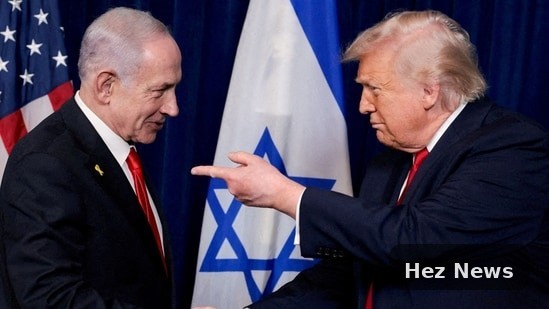
The ongoing tensions in West Asia have taken a new turn as Iran's foreign ministry has firmly rejected any negotiations with the United States. This announcement comes despite a temporary halt in hostilities in the region, raising concerns about the implications for international stability.
Iran's Firm Stance
In a move that signals Iran's unwavering position, Tehran has reiterated its control over the Strait of Hormuz, a critical maritime passage that is vital for global oil shipments. The Iranian government’s refusal to engage in dialogue with the US has heightened fears of a prolonged conflict, particularly as the situation remains volatile.
US and Israel Leaders Set to Meet
As Iran remains steadfast in its opposition to negotiations, US President Donald Trump and Israeli Prime Minister Benjamin Netanyahu are scheduled to meet soon. This meeting is anticipated to focus on the ongoing security challenges posed by Iran and to strategize on the best approaches to address them. Both leaders are under pressure to address the growing unrest in the Middle East, which has far-reaching implications for global peace.
Nigeria's Position in Global Affairs
For Nigeria, a nation that has often had to navigate its own security challenges, the developments in West Asia could have indirect effects. The global oil market is intricately linked to events in the region, and any escalation in conflict could impact oil prices worldwide, affecting Nigeria's economy. As one of Africa's largest oil producers, Nigeria's economic stability is closely tied to the dynamics of international oil trade.
Background Context
The Strait of Hormuz remains a focal point in international geopolitics, with approximately 20% of the world’s oil passing through this narrow waterway. Iran's assertive stance on its territorial claims has drawn criticism from various nations, particularly the US and its allies. The ongoing exchanges between these powers are not merely political; they have significant economic implications that resonate even in countries like Nigeria, which rely on oil exports.
Conclusion
As the situation continues to evolve, the international community watches closely. The meeting between Trump and Netanyahu may yield new strategies for dealing with Iran, yet the Iranian government's refusal to engage in talks complicates the path forward. For Nigeria, the developments in West Asia serve as a reminder of the interconnected nature of global politics and economics, underscoring the necessity for vigilance in an increasingly unpredictable world.




Leave a Comment